

balenaEtcher: A few years ago, creating a bootable USB wasn't that easy. Years ago, CD/DVDs were the main method of distributing operating systems.
If you bought a new computer you would always have an 'installation disk', or if it did not exist you could create it from the operating system.
But things have changed since then and you can download any operating system online and easily create a bootable USB for any system you're interested in. Provided you have the right application to do so.
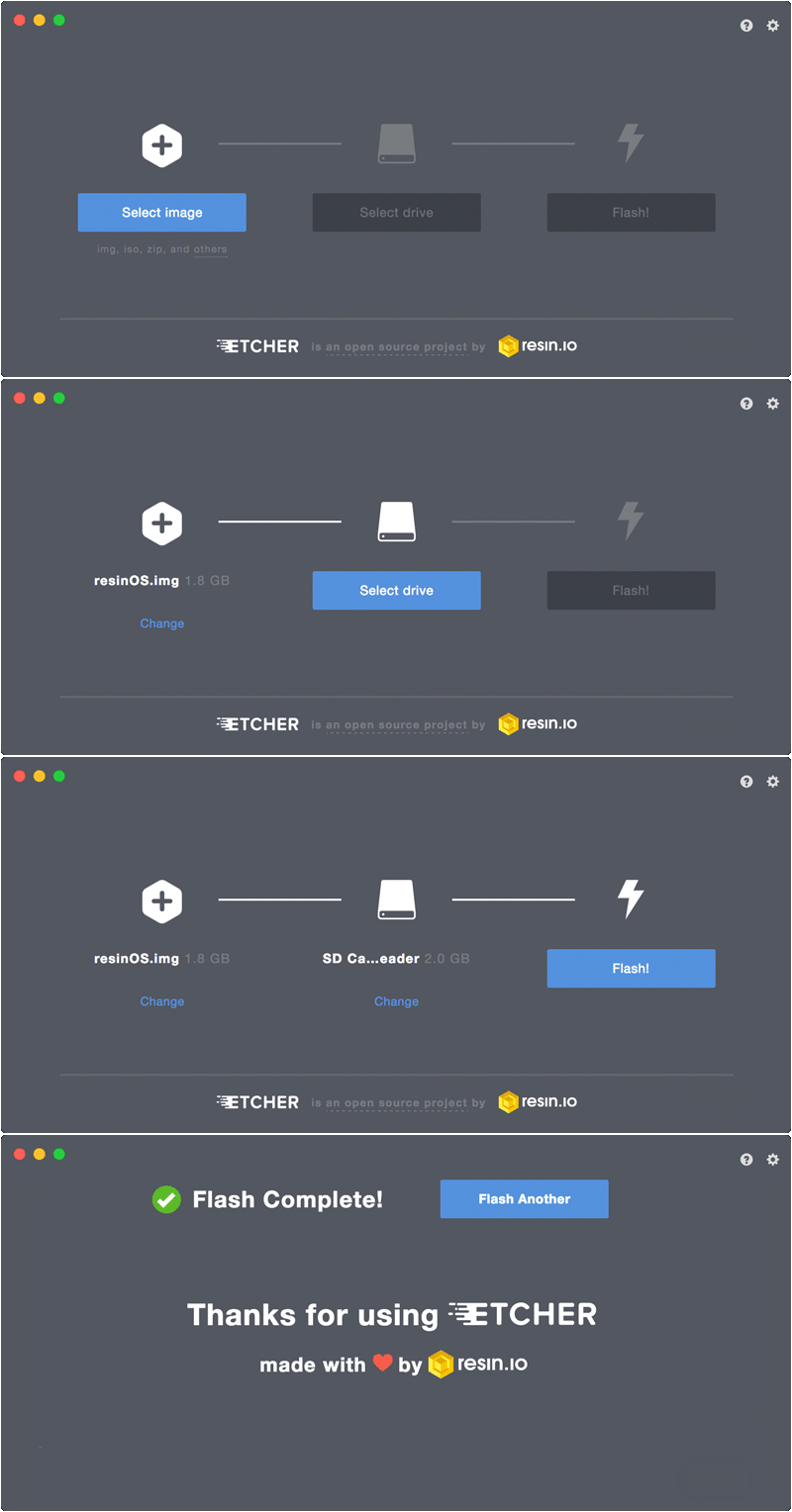
Let's see how it works very easily from any operating system
To create a bootable USB you need a disk image or ISO. ISO is basically a file that contains data that can be written to an optical disc such as a CD or DVD. It's basically an installation tray.
For Windows 10/11, you can download the ISO image via Microsoft 's Media Creation Tool . For all Linux distributions, you can download the ISO you are interested in from the official distribution page. You will only face problems if you are trying to find some ISOs for macOS operating systems, because they are not easily available. For these ISOs, you may have to search for torrents.
Let's create the USB
Some operating systems, such as macOS, come with utilities for writing a disk image to a USB, but not yet. The MacOS utility is a bit complicated especially if you are a beginner.
Today we will try something simpler.
The Ethcher tool is available for Windows, Linux, and MacOS. All you need is the ISO file and a USB. The application will take care of everything else in three simple steps.

After the (easy) creation of bootable USB, you can use it to start your computer from USB and not from your operating system. In some cases, you may need to change the boot order from your computer's BIOS so that it first reads USB instead of your hard drive.

Welcome Geo, let's see if we can build a community.
Well, shouldn't we?! The users exist, and the issues are many!
BalenaEtcher is undoubtedly a very handy tool for creating bootable USBs. However, sending data and telemetry to third-parties is not the best thing to do when dealing with privacy-focused systems.
For this reason, even Tails, which had BalenaEtcher as a standard tool for years, completely excluded it from the project.