KB5061768 Windows 10 hotfix for BitLocker

Microsoft has released an urgent update for Windows 10 to address issues with Intel-based systems when booting into BitLocker due to issues caused by the KB5058379.
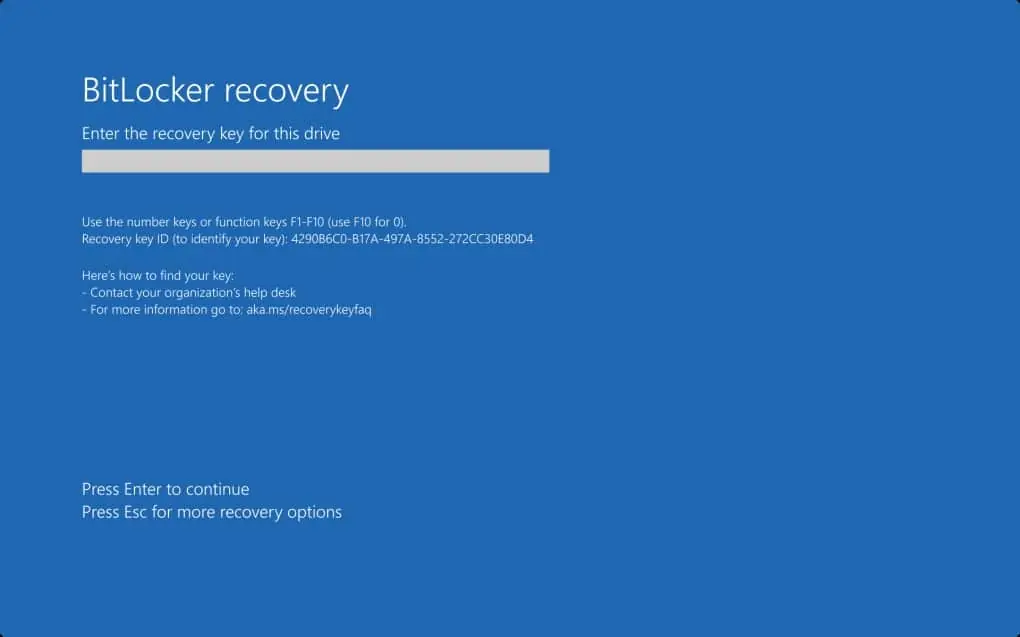
The company acknowledged the issue on devices with Intel Trusted Execution Technology (TXT) on 10th Gen+ systems and promised to release a fix as soon as possible.

See more articles from iGuRu.gr when you search for news on Google.

The company did not delay and the necessary fix is ​​now available in the Microsoft Update Catalog as KB5061768.

Here is the changelog:

[Operating System Security (Known Issue)] Fixed: A known issue on devices with Intel Trusted Execution Technology (TXT) enabled on 10th Gen Intel vPro processors or later. On these systems, installing the Windows security update May 13, 2025 (KB5058379) may cause the Local Security Authority Subsystem Service (LSASS) process to terminate unexpectedly, triggering an automatic repair that prompts for the BitLocker recovery key.

On the Windows Health Dashboard, Microsoft says that KB5061768 is recommended for those running affected systems who have not yet installed KB5058379 (May 2025 security update). It will prevent issues with BitLocker. For systems that are already unable to boot due to BitLocker, Microsoft recommends the following:

To start Windows, temporarily disable Intel VT for direct input/output (also known as VTD or VTX) and Intel Trusted Execution Technology (TXT) from BIOS/UEFI settings. This step will require you to enter your BitLocker recovery key.

Install update KB5061768 via Microsoft Update Catalog. After Windows restarts, change BIOS/UEFI settings again (re-enable Intel VT (also known as VTD or VTX) and TXT). This step will require you to enter your BitLocker recovery key.

Download the update

https://www.catalog.update.microsoft.com/Search.aspx?q=KB5061768


Google preferences

Leave a Comment

Your email address will not be published. Required fields are marked *

Your message will not be published if:
1. Contains insulting, defamatory, racist, offensive or inappropriate comments.
2. Causes harm to minors.
3. It interferes with the privacy and individual and social rights of other users.
4. Advertises products or services or websites.
5. Contains personal information (address, phone, etc.).