Linux-Windows 11 dual boot finally works well

Patch Tuesday updates are known to often cause major problems, and this was the case last August. The security update caused issues with dual-booting Windows 11 and Linux systems, and all distributions were affected.
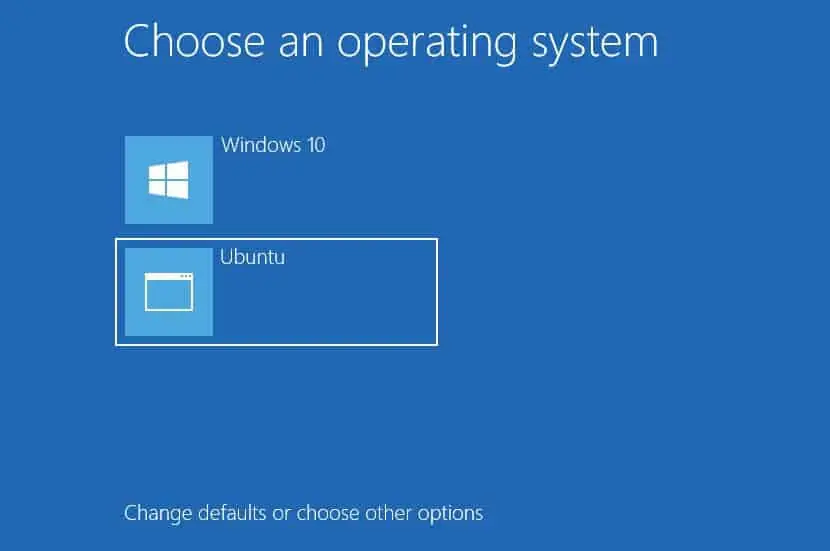
A few days later, Microsoft provided a slightly time-consuming solution that involved tweaks to policies and the Registry to fix the issue. The company also said at the time that the root of the problem was a problematic SBAT (Secure Boot Advanced Targeting) implementation in Windows 11 August Patch Tuesday KB5041585.

See more articles from iGuRu.gr when you search for news on Google.

For those who don't know, SBAT helps block outdated and potentially vulnerable bootloaders by checking the Secure Boot DBX. The Secure Boot DBX is a database of blacklisted UEFI executables.

Microsoft states :

After installing the August 2024 Windows Security Update (KB5041585) or the August 2024 Preview Update, you may experience problems booting Linux if you have dual-booted Windows and Linux enabled on your device. As a result of this issue, your device may fail to boot into Linux and may display the error message “Verifying shim SBAT data failed: Security Policy Violation. Something has gone seriously wrong: SBAT self-check failed: Security Policy Violation.”

The August 2024 Windows Security and Preview updates apply a Secure Boot Advanced Targeting (SBAT) setting to devices running Windows to block old, vulnerable boot managers. This SBAT update will not be applied to devices where dual boot is detected. On some devices, dual boot detection did not detect certain custom dual boot methods and applied the SBAT value when it should not have been applied.

The issue was resolved this week with the latest May 2025 update (KB5058405).


Google preferences

Leave a Comment

Your email address will not be published. Required fields are marked *

Your message will not be published if:
1. Contains insulting, defamatory, racist, offensive or inappropriate comments.
2. Causes harm to minors.
3. It interferes with the privacy and individual and social rights of other users.
4. Advertises products or services or websites.
5. Contains personal information (address, phone, etc.).