



Φάκελοι Local, LocalLow και Roaming: Αν usesτε Windows και σας αρέσει να ψάχνετε σίγουρα έχετε τους συναντήσει. Αν πάλι δεν γνωρίζετε που βρίσκονται, είναι πολύ εύκολο να τους βρείτε: 
If you open RUN (Win + R) in Windows 10 and type% AppData%, or if you open File Explorer and paste it into the location bar, you'll be taken to a folder called AppData.
This folder exists in the user profile and is created by Windows. There are three others in the folder: Local, LocalLow, and Roaming. Within them you will find folders for the various applications running on your system.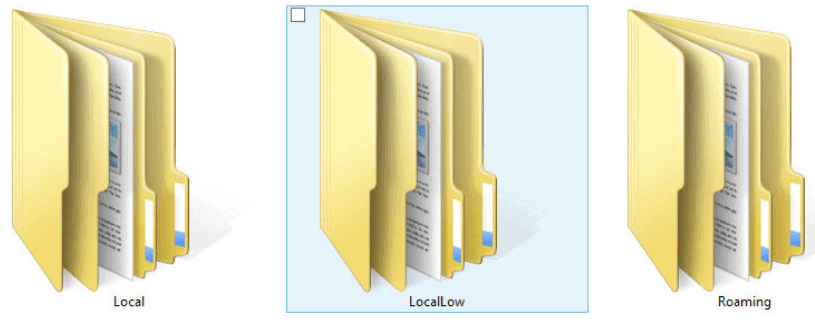
These folders are not the place where your apps are installed, and below we'll see what each one does.
Local, LocalLow, and Roaming envelopes
As already mentioned, these files are created by Windows itself. Even if you do not have applications installed on your system, the three folders exist within the AppData folder. They will find everything you need to run an application you are installing properly. Chrome, for example, will add a Google folder to Roaming while iTunes will add an Apple folder down to Local. The applications you install decide for themselves where to create their folders, but the "decision" of each application has a purpose.
Location
Let's mention once again that these folders are in the profile of each Windows user. Apps that create folders in Local and store data means they will never give up your system. If you delete the user profile, the applications and data stored in Local will not be deleted.
LocalLow
LocalLow is almost the same as Local, however, applications that store data in LocalLow do not have permissions access to store data in Local or because the data is of such a nature that it should not be stored in Local or Roaming. For example if you use portable apps, they might create folders here if they don't create them in Local. Adobe for example stores files in this folder but also in the other two folders.
roaming
All folders present in Roaming can be synchronized on a server and can be copied between computers to move a user's profile. Apps that create folders and store files here, like Chrome, do so because they sync their files through some serviceon the web. Chrome stores in the Roaming folder the profile of the user you have created in the browser.
There are applications that create folders in all three, saving different files to each. Adobe is an example, and Microsoft creates and stores some Windows files in each of these folders. If you hurt these files there may be some data loss, for example, you might delete a bookmark from your browser but it will not spoil your system.
_____________________________
- AV-TEST are the best security suites for Windows 10
- Google Location Services: Turn off the service completely
- Windows 10 Prevent Installation of Preinstalled Apps
- Facebook: Reveals what data you share with third parties