



With risks to credit card management and security and constantly evolving scams, companies continue to seek new innovative ways to enhance consumer safety.
Its elements Ministryof Justice of USA show that the average amount stolen per card in 2012 was $399 out of the approximately $5.550.000.000 stolen worldwide, a huge amount that certainly served as an incentive.
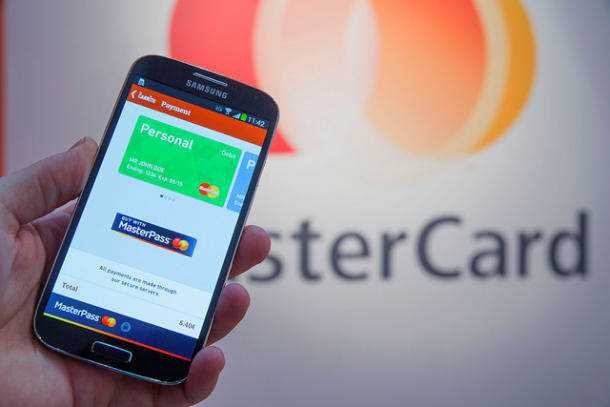 Photo cnet.com
The recent Target violation has shown that credit cards are at the top of the hackers' preferences, which can lead to significant financial losses, and as reported by the Consumer Bankers Association, re-issuance of cards at risk has already cost over 172 million dollars.
Following such incidents, MasterCard's announcement came on Tuesday, which said it was working with Syniverse, a mobile operator, to minimize unauthorized purchases made with stolen plastic.
The two companies are already running a pilot opt-in system that allows users to make a transaction with credit card only when they have their mobile device turned on to confirm a specific geographic location.
Service providers then cross both the credit card and mobile card positions at the time of the transaction and if the transaction coincides, the transaction proceeds normally. Otherwise, if the card is in Toronto, for example, and the smartphone in London, the transaction should be questioned.
Joe DiFonzon, Managing Director of Syniverse Technology, told the Guardian:
Once a mobile phone is connected to the telephone network, we can see the location of a user within milliseconds.
The technology will benefit both MasterCard and its customers, making it more difficult for criminals to use stolen or cloned credit cards.
MasterCard says they will offer pre-paid data packages for popular destinations so customers won't be charged for approxtreatment data even if they are not in their country.