Microsoft finally replaces the JScript runtime

Microsoft today announced that it has enabled JScript9Legacy as the default scripting engine in Windows 11 24H2 and later versions such as 25H2, replacing the old JScript runtime. The company says that Windows 11 users will benefit from “improved performance and security features offered by the new JScriptLegacy scripting engine.”
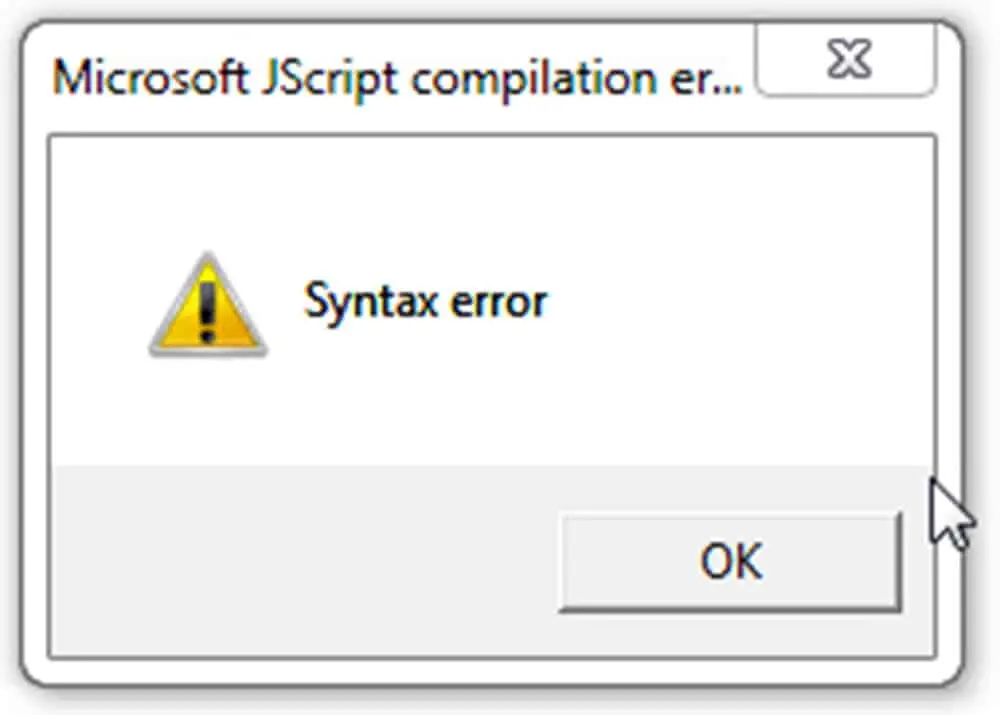
By moving to JScript9Legacy, Microsoft says it aims to reduce scripting vulnerabilities, such as cross-site scripting (XSS), among others. XSS exploits allow attackers to attach malicious code to web pages and use them to run malicious code on victim website visitors.

See more articles from iGuRu.gr when you search for news on Google.

In the past, Windows has been shown to be vulnerable to scripting attacks. Even in August 2024, Microsoft issued updates for a remote code execution flaw ( CVE-2024-38178 ).

The new JScript9Legacy engine enforces stricter execution policies and improved object handling, which will help mitigate XSS attacks. Simply put, for both businesses and consumers, this change will help protect against web threats that exploit outdated script engines.

For those who don't know, JScript has supported Windows scripting since the late 1990s and was released with Internet Explorer 3.0….

Its compatibility with a wide range of web content has made it very widespread, but it leaves thousands of systems exposed to modern attacks.

According to Microsoft, the new engine replaces JScript.dll with JScript9Legacy.dll , and the change is designed to maintain backward compatibility for existing scripts while offering stronger security on the latest version of Windows. Microsoft says that “no additional action is required from you to use JScript9Legacy, and it will not impact existing workflows.”

You can find the announcement on Microsoft's Tech Community website.


Google preferences

Leave a Comment

Your email address will not be published. Required fields are marked *

Your message will not be published if:
1. Contains insulting, defamatory, racist, offensive or inappropriate comments.
2. Causes harm to minors.
3. It interferes with the privacy and individual and social rights of other users.
4. Advertises products or services or websites.
5. Contains personal information (address, phone, etc.).