

We know that broadband monopolies dominate, resulting in high prices, slow speeds, questionable connectivity, and abysmal customer service.
Because the same problem exists in some other countries, a growing number of cities in the US are building and operating their own broadband networks (or partnering with someone who is).
This was also the case in Superior, Wisconsin, where locals recently launched their first network community-owned open access fiber optic network. The network offers symmetric gigabit speeds at prices much lower than anything offered by local monopolies: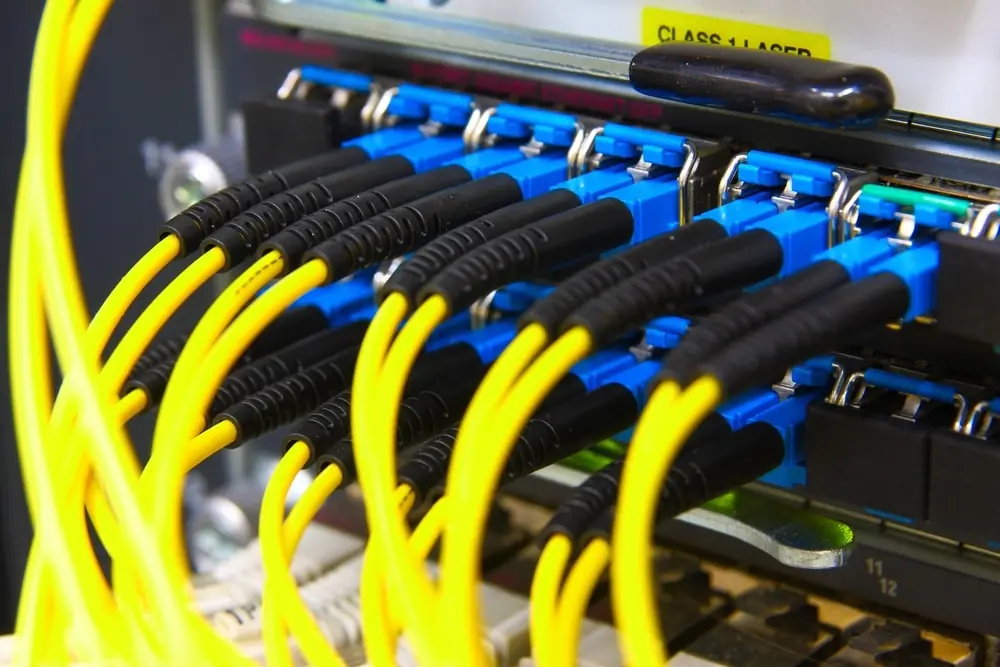
“Stephanie Becken, the city’s broadband manager, told WPR’s “ Wisconsin Today ” that the new network has been a game changer for Superior. Before, residents had few internet service providers in the area, and connectivity wasn’t guaranteed everywhere because those companies hadn’t invested in infrastructure.”
Because the network is open access, it allows multiple Internet service providers (ISPs) to enter and compete on the same central infrastructure. Currently, two providers offer services to locals, but the number is expected to increase over time.
Superior's success comes despite the fact that Wisconsin is one of 16 U.S. states that have enacted state legislation that makes it extremely difficult to build, finance, and expand community-owned broadband networks.
Monopoly providers routinely receive billions of dollars in subsidies for broadband access networks that are always mysteriously half-developed.
Community-owned broadband networks offer better, cheaper, faster broadband (and with more transparent pricing) than anything offered by local carriers AT&T, Comcast, Charter, or Verizon. The idea gained huge popularity during COVID, when many Americans under quarantine were reminded of the need for better broadband.
In total, there are currently more than 400 community-owned broadband access networks serving more than 700 U.S. cities and towns nationwide.

0 reviews
iGuRu.gr