Help elderly family members avoid scams

It is no exaggeration to say that fraud can cause great financial damage and intense psychological stress to victims. This is clearly seen in fraud targeting the elderly, as more and more money is lost to various online scams every year, warns the team at global cybersecurity company ESET.

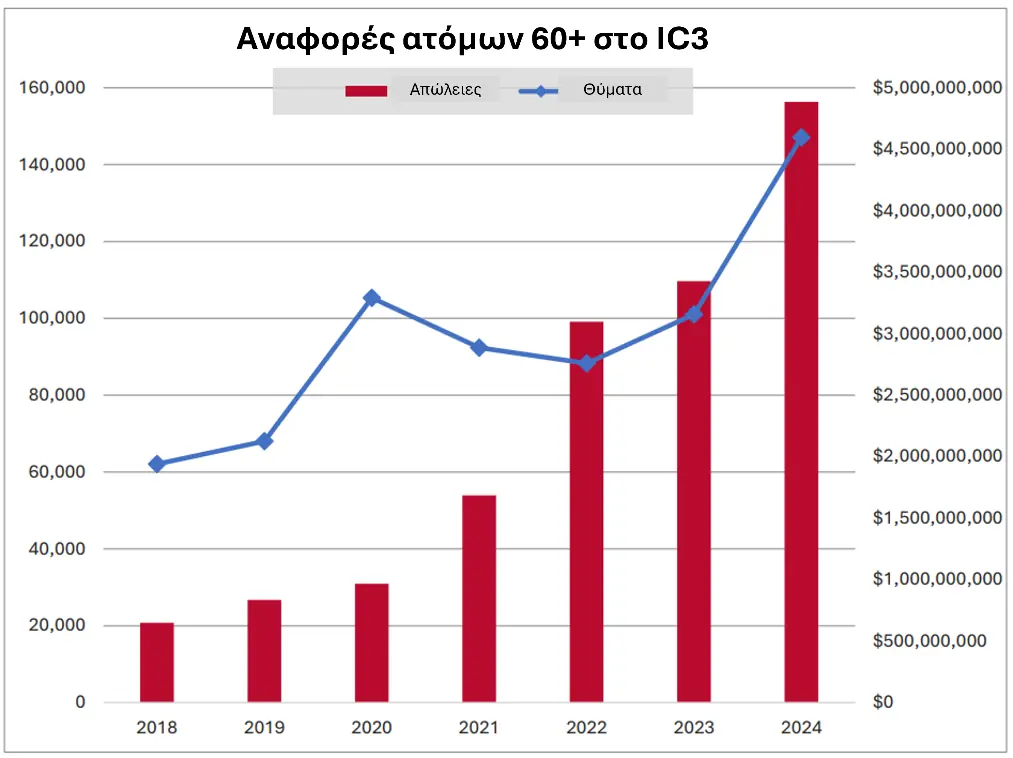
In 2024 alone, Americans over the age of 60 reported losses of nearly $4,9 billion from online fraud, a 43% increase from the previous year and a fivefold increase from 2020, according to the FBI’s Internet Crime Center (IC3) . The average loss from fraud targeting seniors reached $83.000, compared to $19.000 across all age groups.

See more articles from iGuRu.gr when you search for news on Google.

Behind these numbers are individuals and entire families whose well-being and financial security were deeply shaken as years of savings were wiped out in a matter of minutes, ESET reports. The sheer scale of scams targeting the elderly is something that should motivate families to act together.

However, vague warnings are not enough. Effective protection requires constant communication with family members, human and technical checks, and a clear recovery plan in case something goes wrong. Now is a good time to consider how we can protect our parents’ and grandparents’ savings from fraudsters.

Source: IC3

Why do scammers target the elderly?

Fraudsters are rational: they seek maximum profit with minimum effort. The elderly are attractive targets for several reasons:

  • Access to money: Many seniors have cash savings, retirement accounts or other stable sources of wealth, which scammers consider easy prey.
  • Trust in authority: Older generations' habits of trusting and accepting authority make some older people more receptive to phone calls or letters that appear to come from "official sources." Many older people do not suspect that a phone call from "the bank" or "the tax office" could be a scam.
  • Loneliness: Social isolation can make scams based on interpersonal relationships – such as online dating scams – particularly effective and destructive.
  • Cognitive overload and digital fatigue: Many seniors (and not only them) have difficulty managing dozens of online accounts, which makes them more susceptible to "useful" pop-ups or emergency phone calls.
  • Technological gaps: Many seniors use old devices and outdated software, use the same passwords on multiple accounts, and, like most users, have difficulty distinguishing the real from the fake.

All of this creates an environment that makes it easier for criminals to operate. In addition, skilled fraudsters now have handy tools at their disposal, such as large databases of compromised credentials circulating on underground forums and AI-powered voice cloning technologies – elements that work together to increase the “credibility” of their tricks.

The con man's handbook

Here are some of the most common scams that generate significant profits for fraudsters and mainly target the elderly:

Phishing scams

Scammers often pretend to be representatives of the tax authorities, insurance companies or banks. They demand payments under the pretext of avoiding penalties or “unlocking” bank accounts. They usually trick victims into entering their login details or revealing other sensitive information on websites designed to look like legitimate ones.

Technical support scam

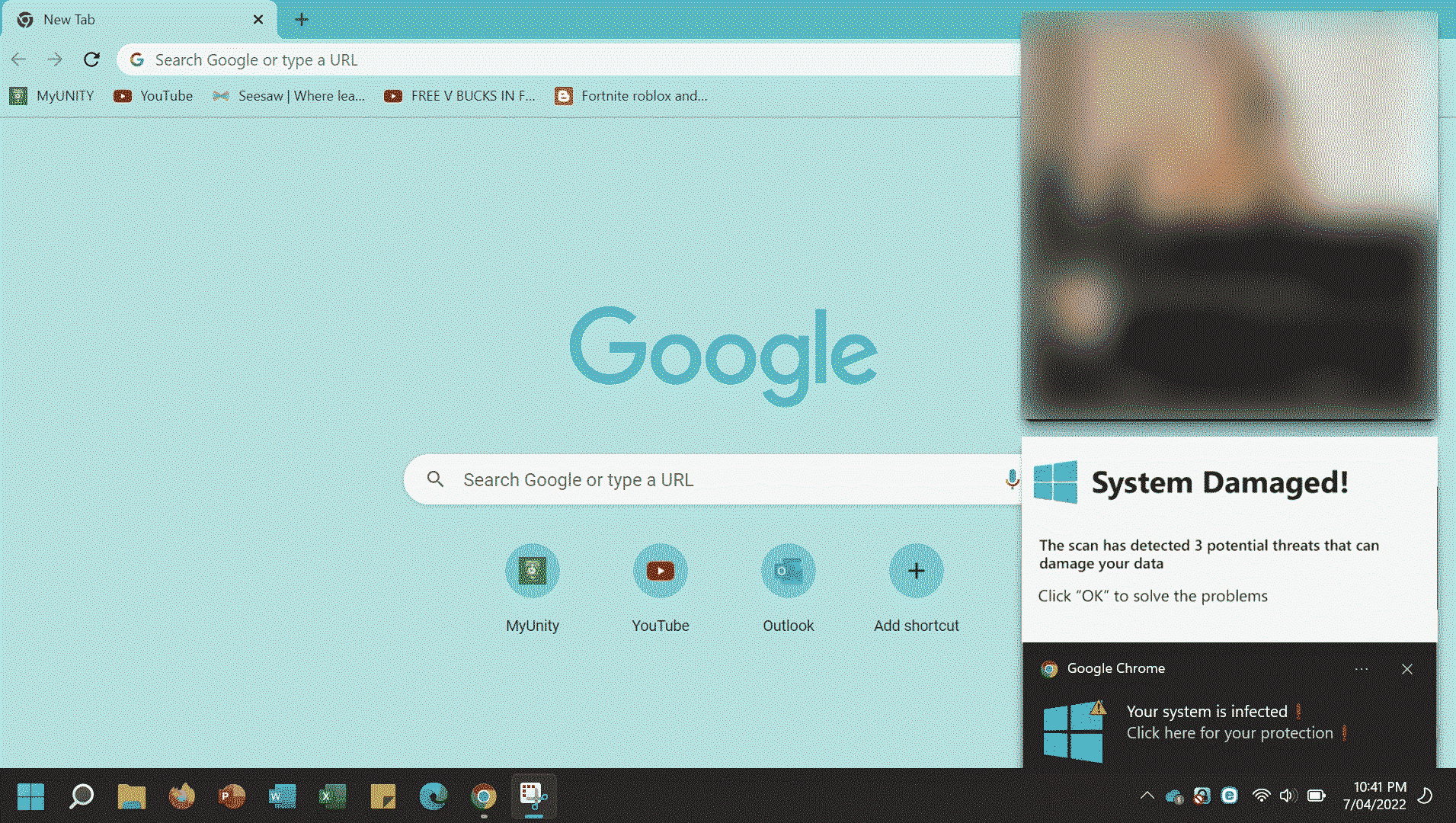
A pop-up warning on the computer screen or a phone call may claim that the device is infected with malware. The “support representative” convinces the victim to grant them remote access to the computer. They then steal bank account login details or install malware (infostealer) on the device.

False warning

Romance scams

Scammers cultivate online relationships with their “victims” for weeks or even months, gradually gaining their trust. Once they have established a bond, they ask for large sums of money, usually for a fake “emergency.”

Emergency scams

In this case, someone calls claiming that a loved one is in trouble and urgently needs money. As the request exploits the emotions and panic of the moment, victims often skip verifying the information and rush to send the money — usually via bank transfers or money transfer apps. These methods are often irreversible, making it nearly impossible to recover the money.

Investment scams

Scammers promote fake investments, such as cryptocurrencies or high-yield “private” offerings, using fake recommendations from well-known figures.

As deceptive practices increasingly leverage deepfake technology, scammers can now clone voices or create videos that appear to feature family members or trusted public figures. This makes many of the deception methods alarmingly convincing.

Starting a conversation

It is well known that scams rely on creating a sense of urgency, power, and narrowness to entice people to take action. Even a momentary loss of judgment, mental overload, stress, or lack of sleep can make us vulnerable to scams. Therefore, prevention is at least as much behavioral as technological.

A significant level of defense can be achieved through open, shameless communication. Start with empathy and explain how scammers manipulate emotions. If they can fool 30–40 year olds with tech savvy, then anyone can be a victim.

You can also share a story, like: “A friend of mine almost sent a large amount of money after hearing a voice that sounded like her grandson. It turned out to be a scam. Can we make a family rule: before sending money, always check twice?”

In other words, consider implementing a simple plan based on the “pause and verify” principle, so that at least one other family member is involved in decisions about any financial request.

Additionally, if your parents’ or grandparents’ bank offers special protections for seniors, take advantage of them. These may include verification calls for certain types of transactions, limits for new beneficiaries, or temporary holds on large transfers. They may also provide alerts that are sent to both the grandparents and a trusted family member for any transfers that exceed a pre-set limit.

Basic cyber hygiene for devices and accounts

The above steps are ideally combined with additional measures that can fill technological gaps that are often exploited by fraudsters. Make sure your elderly relatives:

  • They use a password manager to create and store strong and unique passwords for each online account, especially the most important ones (e.g. banking, email, and social media).
  • Enable two-factor authentication where possible — ideally through a mobile verification app or, even better, using a physical security key instead of SMS messages.
  • They block pop-ups and robocalls using available tools or security measures offered by telephone providers.
  • They enable automatic updates on all devices, especially phones, tablets, and computers.
  • They don't download attachments or click on links from spam or suspicious emails. When in doubt, they can use ESET's free and easy-to-use link checker.
  • They install reliable security software on all their devices.


Follow these steps with your parents or grandparents and leave clear—and, if necessary, written—instructions.

If the worst happens

Speed ​​is often crucial. The faster you act, the better your chances of recovering the money or, at least, stopping further theft. If your parents or grandparents are victims of fraud:

  • Immediately notify your relative's bank so that they can stop any outgoing money transfers.
  • Save phone numbers, emails, and screenshots related to the scam.
  • File a complaint with the relevant authorities.
  • Remind your relatives that they are victims of crime and are not responsible. Shame keeps people quiet — which ultimately only benefits the scammers.


Final thoughts

For long-term peace of mind, also consider using identity monitoring services that alert you if your (grand)parents’ login details appear on the dark web. Create a routine that includes regularly checking bank balances, monitoring transactions, and reviewing account security settings. After all, prevention is a habit.

Fraud targeting the elderly is increasing in cost, frequency, and complexity. However, families who combine open communication with effective behavioral and technical protection measures can dramatically reduce the risk. Implement these measures, and you will make it much harder for criminals to steal your grandparents’ or parents’ life savings.


Google preferences

Leave a Comment

Your email address will not be published. Required fields are marked *

Your message will not be published if:
1. Contains insulting, defamatory, racist, offensive or inappropriate comments.
2. Causes harm to minors.
3. It interferes with the privacy and individual and social rights of other users.
4. Advertises products or services or websites.
5. Contains personal information (address, phone, etc.).