



A new device, a chip essentially the size of a fingernail, can repair damaged organs in seconds, heralding a major development in medical science.
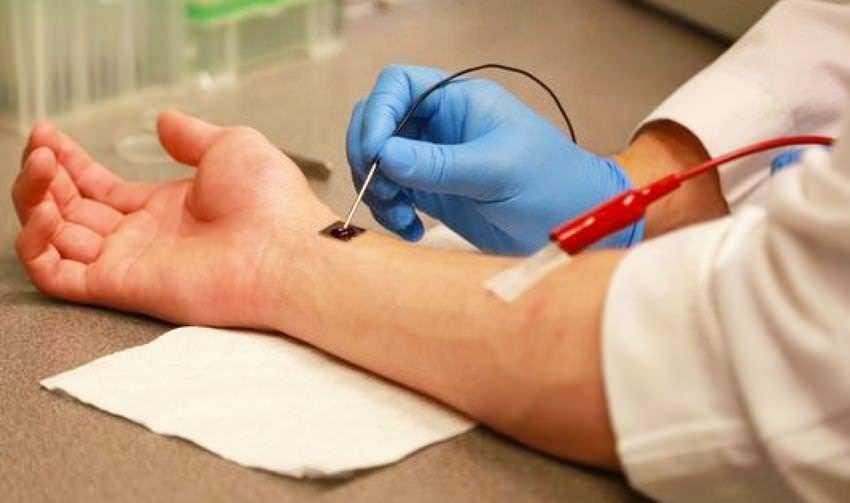
Developed at the University of Ohio, it is named Tissue Nanotransfection (TNT) or in free Greek translation tissue micro-transplantation, and uses a small chip silicone-sized coins that "inject" genetic code into skin cells, promoting their conversion from one species to another.
During the initial testing phase, researchers were able to reprogram into one mouse που είχε ένα άσχημα τραυματισμένο πόδι χωρίς ροή αίματος , κύτταρα του δέρματος σε αγγειακά κύτταρα. Εντός μιας εβδομάδας ενεργά αιμοφόρα αγγεία εμφανίστηκαν γύρω από το πόδι και μέσα σε δύο εβδομάδες το πόδι είχε αποκατασταθεί πλήρως. Επίσης ένα ποντίκι που είχε υποστεί εγκεφαλικό αποκαταστάθηκε, υποδηλώνοντας αυτή η τεχνολογία μπορεί να εφαρμοστεί σε όργανα και νευρικά κύτταρα, καθώς και ιστούς. Είναι η πρώτη φορά που κύτταρα έχουν επαναπρογραμματιστεί σε ένα ζωντανό οργανισμό.
Η τεχνολογία ζυγίζει λιγότερο από 100 γραμμάρια και έχει μακρά διάρκεια ζωής. Είναι εντελώς μη επεμβατική (χωρίς χειρουργείο ή μικροεπέμβαση) – ο γενετικός κώδικας προσδίδεται στη συσκευή με ένα μικρό ηλεκτρικό φορτίο που είναι μόλις και μετά βίας αντιληπτό από τον ασθενή – και η διαδικασία μπορεί να πραγματοποιηθεί χωρίς πρόσβαση σε ένα εργαστήριο ή hospital. This means it will have a significant impact on the lives of those dealing with medical emergencies where time is of the essence, such as car accident victims and soldiers wounded in combat. It is awaiting approval from the US FDA, but researchers expect human trials to begin within the year.