



His team Google Chrome will run an experiment this week in an attempt to find solutions to an HTTPS problem that the Mozilla Foundation has also been trying to resolved last year.
The problem Google is trying to solve in Chrome is called “mixed content” (mixed content), which Google describes as follows:
Mixed content occurs when an original HTML (a web page) is loaded over a secure HTTPS connection, but there are resources (such as images, videos, css, scripts) loaded over an unsecured HTTP connection. This is called mixed content because both HTTP and HTTPS content are loaded on the same page. Modern programs tours display warnings about this type of content to indicate to the user that this page also contains unsafe content.
In recent years, mixed content is a big problem for browser makers and websites using HTTPS.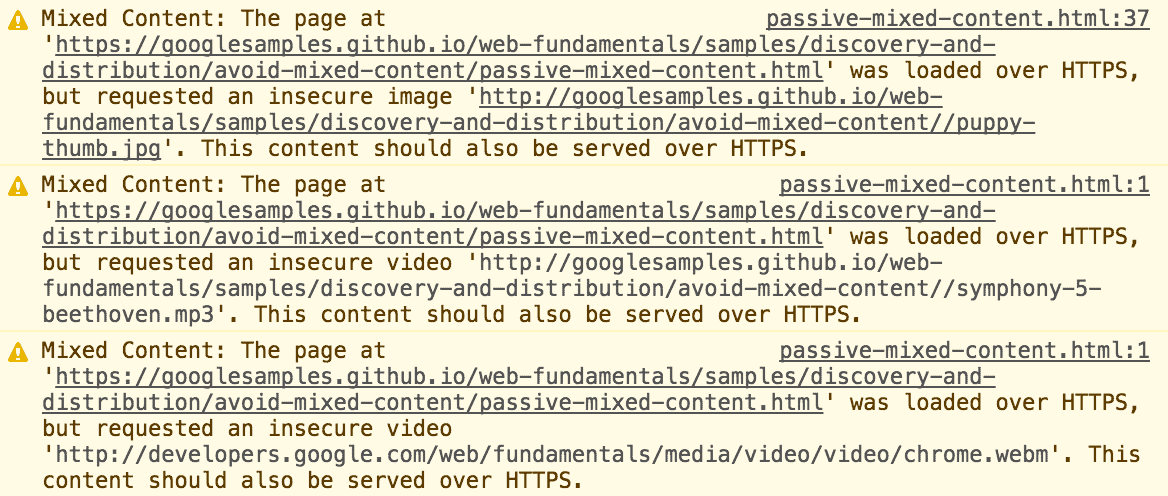 The mixed content errors of the content browser, in addition to preventing users from having full access on a website, they have also scared off many webmasters who are considering switching to HTTPS, who don't want to miss clicks. Troubleshooting mixed content appearing in web browsers is perhaps the last major obstacle to persuading all administrators to switch to HTTPS. So this week, Google engineers started an experiment in Chrome by setting up a browser to automatically upgrade any mixed content to full HTTPS. Google Chrome will do this by secretly changing the URL of non-encrypted links (images, videos, css, scipts) from HTTP to HTTPS. If there is the same file as an HTTPS connection, then everything will work fine. If it doesn't, then Chrome will log the error and run one of the many scripts configured for this experiment (analytically here). For now, Google plans to run the above experiment on one percent of its total users versionChrome canaries that have enabled the: chrome://flags/#enable-origin-trials flag