


Pwn2Own 2016: Once again, major browsers were targeted by hackers who took part in the two-day Pwn2Own security competition.
Google Chrome, Microsoft Edge, and Apple's Safari have been unveiled in this weekend. Total 460.000 dollars were awarded for 21 vulnerabilities discovered in the three browsers, Windows, OS X, and of course in Flash. 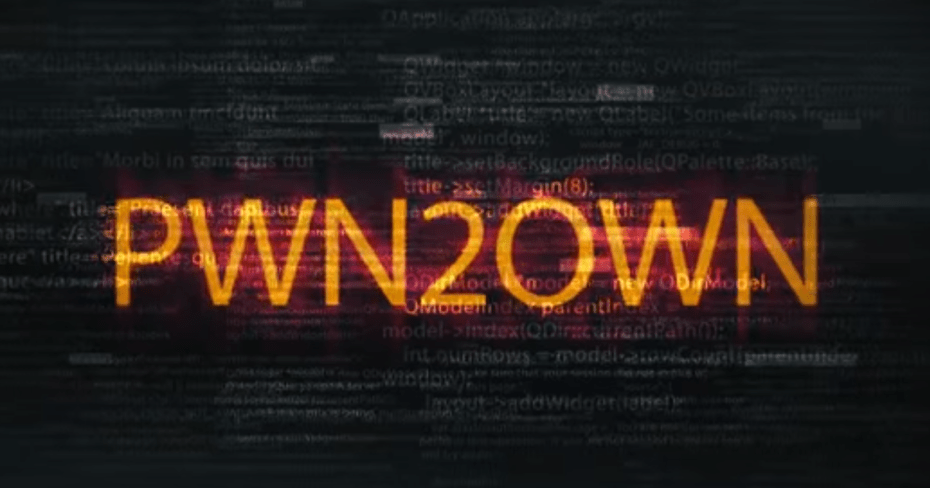
The total of last year's profits was 557.500 dollars.
The annual Pwn2Own contest is held annually by 2007 at the CanSecWest Safety Conference.
The goal of the contest is to violate widely used software and portable devices with vulnerabilities that have not been made public. The reward is cash and awards.
The name of the contest comes from the fact that the contestants have to Pwn (another way of saying "hack") the device so that it becomes "theirs" (to Own or 2Own)
Of the three browsers, Chrome fared best. They were done two attempts to breach the program: One failed and the other was judged a partial success. The latest exploit was already reported to Google, so it didn't give the hacker all the profits.
But Edge and Safari did not manage to escape from any attack. Two attempts were made in the Microsoft browser and three attempts in the Apple browser.
All attempts were successful (2 / 2 for Edge and 3 / 3 for Safari). The biggest prize money for a single effort was $ 85.000 for a Microsoft Edge pwning.
The 21 security gaps shown:
- Microsoft Windows: 6
- Apple OS X: 5
- Adobe Flash: 4
- Apple Safari: 3
- Microsoft Edge: 2
- Google Chrome: 1 (already reported to the company)
The list is completely absent Firefox.
https://www.youtube.com/watch?v=DOmzWKW-mto
https://www.youtube.com/watch?v=Sh8pveFv2DI