



The company Sidewalk Labs of A hopes to make a difference with its first plan for a smart-city in Toronto.
The smart city will be handed over to 2020, but from this summer, testing will begin on some of the proposed technologies, such as said Chief Executive Officer of Reuters.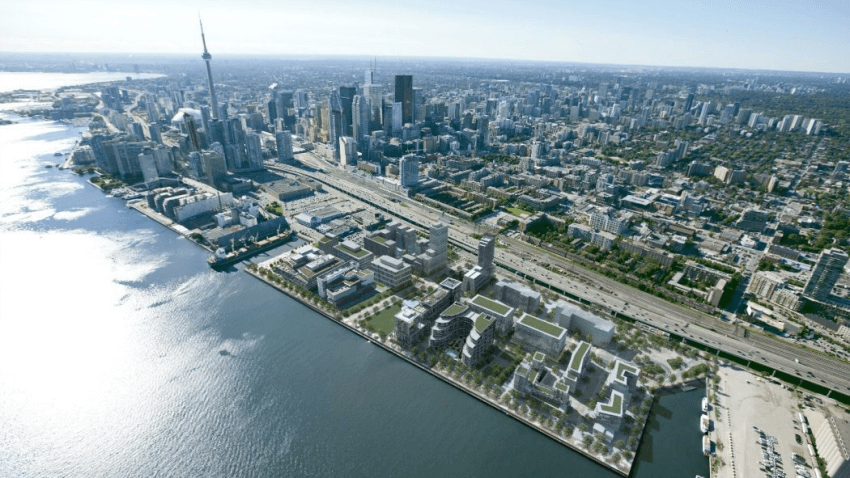
It is the first time a timetable has been released for one project aimed at increasing land efficiency, cost reduction and proper energy management.
The Waterfront Toronto government service in March of 2017 called for proposals to build a friendly city to the environment in an area of 12 acres. 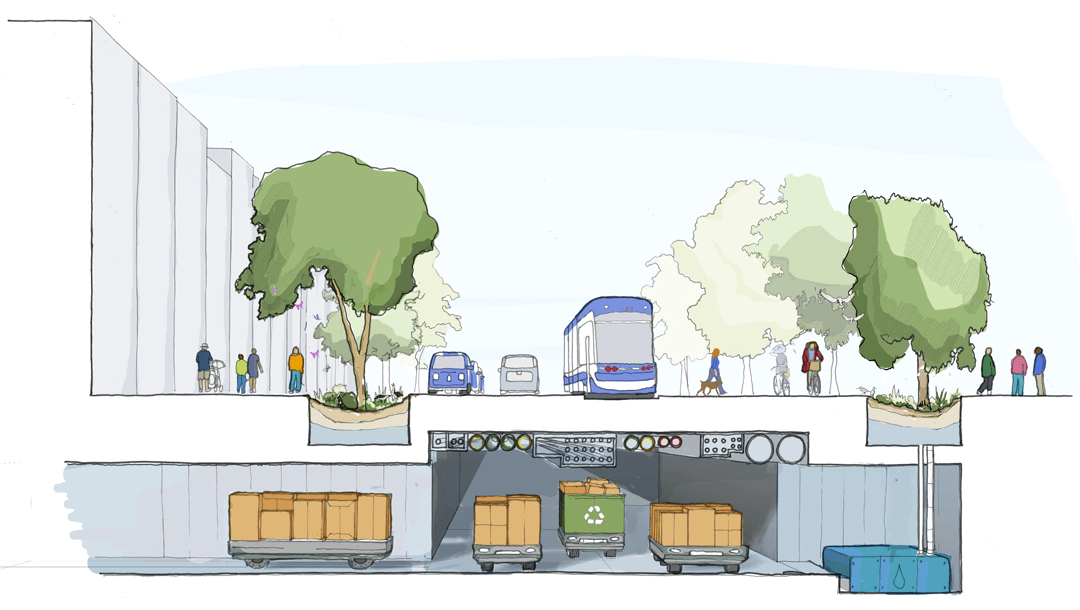
The smart city should offer new jobs for all ages. 12 acres will be the first part of a planned redevelopment of approximately 800 acres of industrial land located to the east of downtown on Lake Ontario.
Η Sidewalk Labs επιλέχθηκε τον Οκτώβριο αφού κατέθεσε μια πρόταση που περιελάμβανε αυτόνομα οχήματα, ένα θερμικό δίκτυο που δεν uses fossil fuels, low cost modular buildings for flexible uses and robotic waste delivery and management systems.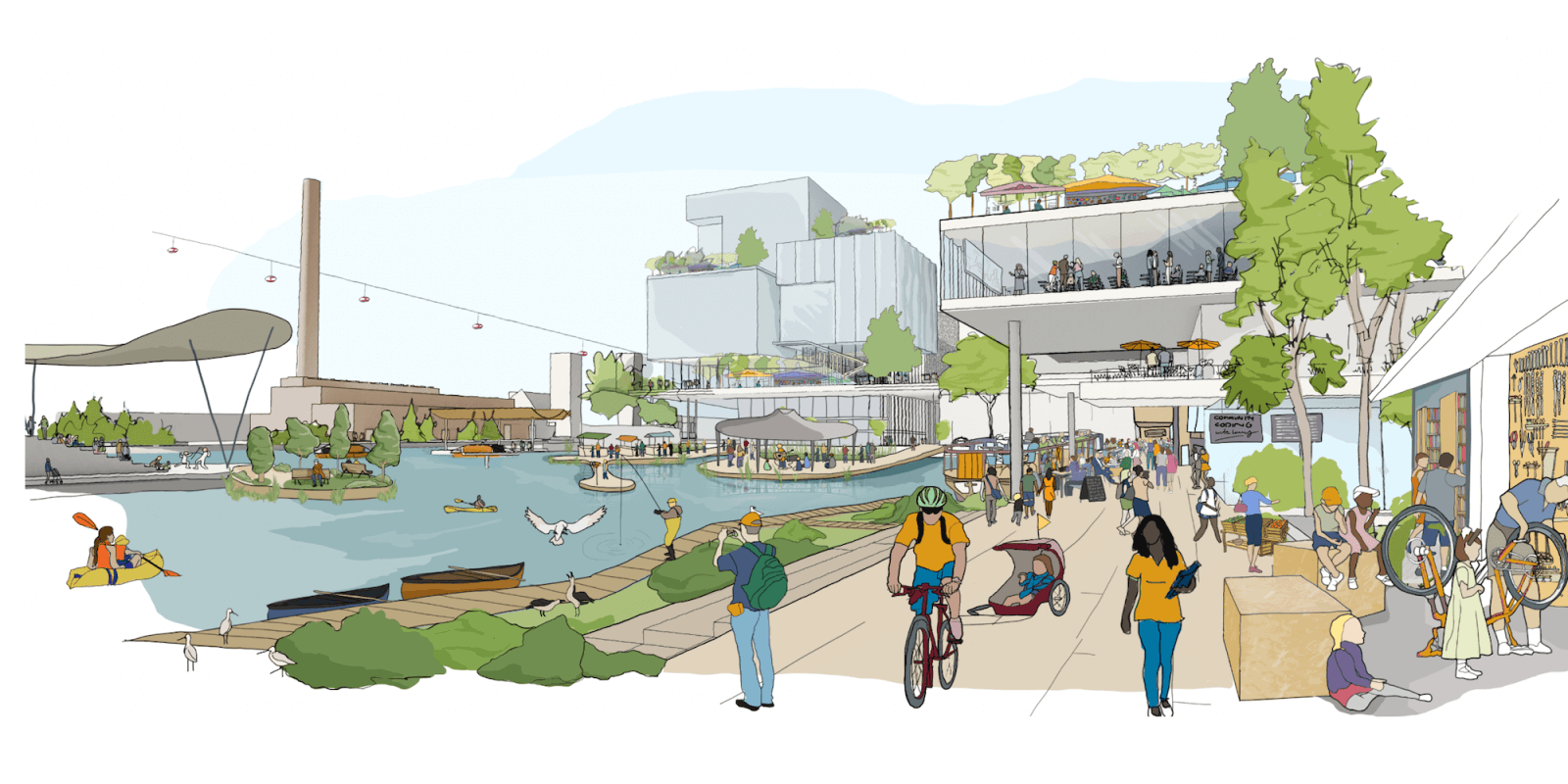
The construction project is expected to be approved by Sidewalk Labs and Waterfront Toronto by the end of 2018 and the first residents could be transported to 2022, CEO Dan Doctoroff said.
Let us mention that other smart city projects have failed miserably because of the very high budgets, the involvement of too many parties and the use of public funds for construction without direct benefit to the wider population.
Once again access to personal information is a very big problem as Sidewalk Labs intends to place sensors and cameras throughout the region.
Doctoroff reported that the company will immediately destroy the information it does not use, and will retain only the data it needs to improve the quality of life. He also said that the data collected will not be sold to advertisers.